
Most Facebook ads fail not because of bad targeting, but because the creative doesn’t stop anyone scrolling. According to Meta’s own research, creative quality accounts for up to 56% of an ad’s auction value. That means your design is doing more than half the heavy lifting before your targeting even kicks in.
I’ve spent 20 years as a graphic designer working with businesses in Luton and beyond, including campaigns for Holland & Barrett, Dr. Martens, The Body Shop, and Samaritans. Here’s what I’ve learned about what actually makes Facebook ad creative convert, and the mistakes I see businesses making every week.
Why Creative Quality Outweighs Targeting
Meta’s ad platform runs an auction for every impression. Your ad competes on three factors: bid amount, estimated action rate, and ad quality. Two of those three are directly influenced by creative.
A well-designed ad generates more engagement, which tells Meta’s algorithm your ad is relevant. That drives down your cost per result and earns you more placements. It’s a compounding effect: better creative literally gets cheaper over time.
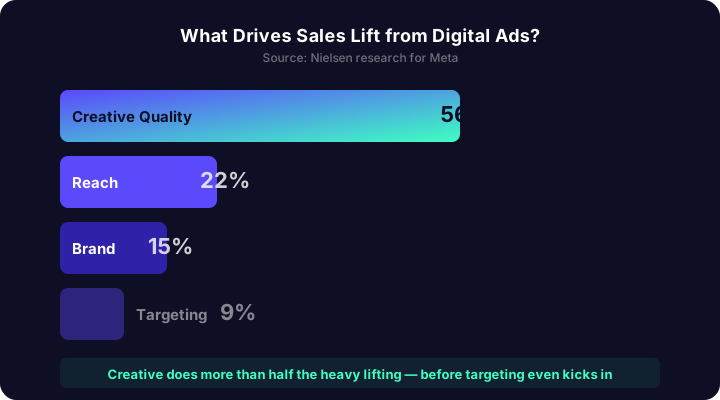
The numbers back this up. According to Nielsen’s research for Meta, creative elements drive 56% of sales lift from digital advertising, more than reach (22%), brand (15%), or targeting (9%). If you’re spending thousands on audience segmentation but £50 on your ad graphic, you’ve got the ratio backwards.
The Anatomy of a High-Converting Facebook Ad
Visual Hierarchy That Reads in Two Seconds
Your ad is competing with friends, family, and cat videos in the feed. You have roughly 1.7 seconds before someone scrolls past. That’s the average attention span for mobile feed content.
What works:
- One clear focal point. Don’t split attention across multiple elements
- High contrast. Dark text on light backgrounds (or vice versa) outperforms low-contrast designs
- Faces and people. Ads featuring faces consistently achieve higher engagement rates
- Minimal text. Meta recommends less than 20% text overlay, but beyond guidelines, cleaner ads simply perform better
What doesn’t work:
- Stock photos that look generic
- Cluttered layouts with too many selling points
- Small text that’s unreadable on mobile
- Low-resolution images or poorly cropped graphics
Platform-Native Sizing
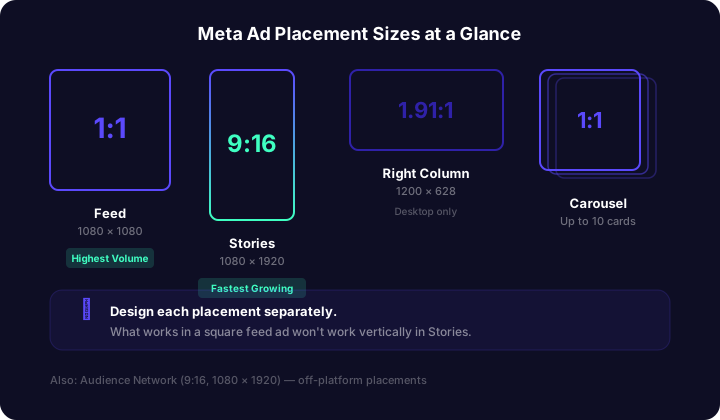
One of the most common mistakes is designing a single creative and hoping it works everywhere. Each Meta placement has different dimensions, and cropping a landscape image into a vertical Story is a guaranteed way to waste budget.
| Placement | Aspect Ratio | Resolution | Notes |
|---|---|---|---|
| Feed | 1:1 (square) | 1080 × 1080 | Default placement, highest volume |
| Stories & Reels | 9:16 (vertical) | 1080 × 1920 | Full-screen, immersive, fastest-growing |
| Right column | 1.91:1 (landscape) | 1200 × 628 | Desktop only, smaller but cheap |
| Carousel | 1:1 (square) | 1080 × 1080 | Per card, up to 10 cards |
| Audience Network | 9:16 (vertical) | 1080 × 1920 | Off-platform placements |
Design each placement separately. What works in a square feed ad won’t work vertically in Stories. The headline position, logo placement, and visual hierarchy need to be rethought for each format, not just resized.
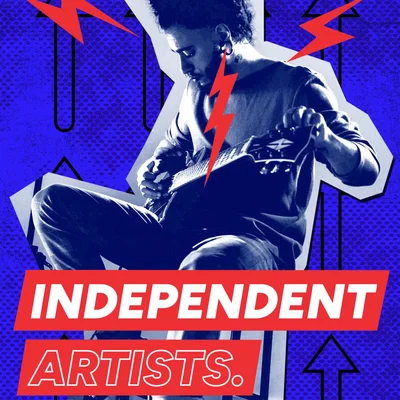
Here are some examples of vertical (9:16) ad creatives I’ve designed for Stories and Reels placements:


Colour Psychology and Brand Consistency
Colour isn’t just aesthetic. It affects click-through rates. Research from the University of Loyola found that colour increases brand recognition by up to 80%.
For Facebook ads specifically:
- Blues and greens blend into the Facebook UI, so avoid them as dominant colours unless they’re core to your brand
- Warm colours (orange, red, yellow) tend to generate more clicks because they contrast with the blue-dominant feed
- Brand colours should stay consistent across all ads. If someone sees your ad, then visits your website, the visual language should feel connected
The exception: if your brand colours are blue, don’t abandon them for the sake of contrast. Brand recognition is worth more than a marginal click-through bump.
The Role of Copy in Creative Design
The best ad creatives work hand-in-hand with the copy. As a designer, I always want to see the ad copy before I start designing. The visual and text need to reinforce each other, not compete.
Key principles:
- Headline and visual should tell different parts of the same story. If your image shows the product, the headline should state the benefit, not describe what’s already visible
- CTAs need visual weight. A “Shop Now” button that blends into the background isn’t a CTA, it’s decoration
- Less copy on the image, more in the text field. Let the creative stop the scroll; let the body copy close the sale
A/B Testing: Why One Creative Is Never Enough
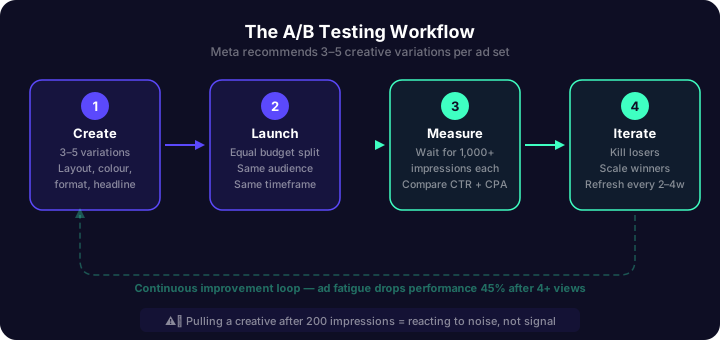
Never launch a campaign with a single creative. Meta’s own best practice guide recommends testing 3–5 creative variations per ad set.
What to test:
- Layout variations. Same message, different visual arrangement
- Colour treatments. Warm vs cool, light vs dark backgrounds
- Image vs illustration. Photography doesn’t always win
- Headline approaches. Benefit-led vs curiosity-driven vs social proof
- Format differences. Static image vs carousel vs short video
The testing process matters too. Give each variant at least 1,000 impressions before making judgements. Pulling a creative after 200 impressions because the CTR looks low is reacting to noise, not signal.
Common Mistakes That Kill Ad Performance
After designing hundreds of ad campaigns, these are the patterns I see most often in underperforming ads:
-
Using the same creative for months. Ad fatigue is real. Meta’s data shows creative performance drops by an average of 45% after audiences have seen it 4+ times. Refresh your creatives every 2–4 weeks for active campaigns.
-
Ignoring mobile-first design. Over 98% of Facebook users access the platform via mobile. If you’re designing on a desktop monitor and not checking how your ad looks on a phone screen, you’re designing for nobody.
-
Too many messages in one ad. Each ad should communicate one thing. Not your sale, your new product, your brand story, and your opening hours. One message, one CTA, one action.
-
Skipping the landing page connection. The ad is only half the equation. If someone clicks through to a page that looks completely different from the ad they just saw, you’ll lose them. Visual consistency between ad and landing page is critical for conversion.
-
DIY design with Canva templates. Canva is great for social posts, but Facebook ads need to be optimised for performance, not just aesthetics. Template-based designs tend to look like every other template-based design, which is the opposite of scroll-stopping.
What Professional Facebook Ad Design Costs
Pricing varies widely, but here’s what you should expect from a freelance designer vs an agency:
| Service | Freelancer Range | Agency Range |
|---|---|---|
| Single static ad | £75 – £150 | £200 – £500 |
| Ad set (3–5 creatives) | £200 – £400 | £500 – £1,200 |
| Full campaign kit | £400 – £800 | £1,000 – £3,000+ |
| Monthly creative retainer | £300 – £600 | £1,000 – £2,500 |
The key is matching creative investment to ad spend. A rough benchmark: spend at least 10–15% of your monthly ad budget on creative. If you’re spending £2,000/month on Meta ads, budgeting £200–300 for fresh creatives each month is sensible.
How to Brief a Designer for Better Results
If you’re working with a designer (whether that’s me or someone else), a good brief makes everything faster and better. Here’s what to include:
- Objective: what you want people to do (buy, sign up, visit, call)
- Audience: who you’re targeting (age, interests, location, pain points)
- Key message: the single most important thing to communicate
- Brand assets: logo files, colour codes, fonts, brand guidelines
- Examples: ads you like (and ads you don’t), even from other industries
- Copy: headline, body text, and CTA, or indicate if you need help with this
- Sizes needed: which placements you’re running
- Deadline and budget: be upfront so the designer can plan accordingly
What This Means for a Luton Business
The examples above are mostly big-brand campaigns, but the principles behind them scale down fine, they don’t need a national budget to work. If you’re a Luton business, the single highest-leverage change is location targeting: a radius around Luton rather than a national audience means every pound of spend is only reaching people who could actually walk through your door or book you for a job nearby, which lets a modest budget go a lot further than the same money spread across the whole UK.
The other thing that translates directly is using real, local imagery rather than generic stock. An ad that shows your actual shop, your actual work or a recognisably local backdrop earns more trust from someone scrolling in Luton than a stock photo that could be anywhere, and it costs nothing extra to shoot on a phone. The testing discipline and sizing rules above apply exactly the same whether you’re spending £50,000 or £500 a month, just scaled to your budget.
Get Better Results From Your Facebook Ads
Facebook ad design isn’t about making things look pretty. It’s about engineering attention in a noisy feed, then directing that attention toward a specific action.
If you’re a Luton business looking for professional online and print ad design that’s built to convert, I’d love to hear about your project. I offer a free initial consultation to discuss your goals and put together a creative plan that fits your budget.
Get in touch at me@louislantos.com.